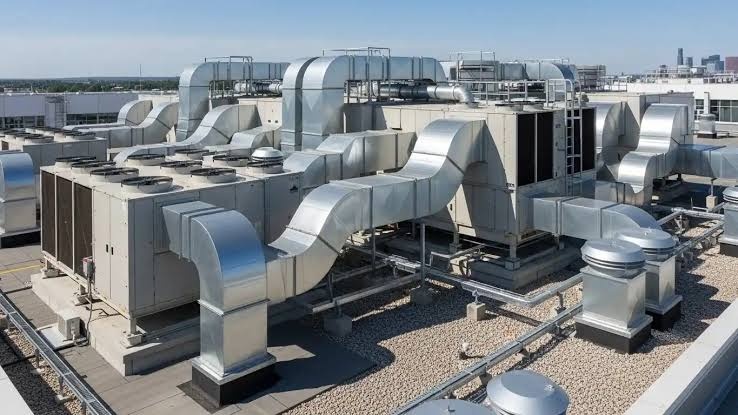
A comfortable commercial environment is essential for productivity, customer satisfaction, equipment protection, and smooth day-to-day operations. Whether it is an office, retail store, restaurant, warehouse, or other commercial property, the heating and cooling system has a direct impact on how the space performs.
Commercial HVAC equipment typically handles greater demands than residential systems. Longer operating hours, larger spaces, varying occupancy levels, and specialized temperature requirements can all place additional stress on heating and cooling equipment. That's why professional Commercial HVAC Services are an important part of maintaining a reliable and efficient business environment.
In 2026, businesses are also looking beyond basic heating and cooling. Energy efficiency, smart controls, indoor air quality, predictive maintenance, and equipment modernization are becoming increasingly important considerations for commercial property owners.
A commercial HVAC system is responsible for much more than maintaining a comfortable temperature. It can also influence ventilation, humidity, airflow, and indoor air quality.
When the system is poorly maintained, businesses may experience:
Because HVAC problems can affect employees, customers, inventory, and business operations, addressing warning signs early is often more practical than waiting for a complete system failure.
Professional Commercial HVAC Services can cover a wide range of installation, maintenance, repair, and replacement needs.
Depending on the property and equipment, services may include:
A professional HVAC contractor can assess the property's requirements and develop a service approach based on equipment age, building size, usage patterns, and operating conditions.
One of the most effective ways to reduce unexpected HVAC problems is preventive maintenance. Commercial systems often operate for extended periods, making routine inspections particularly valuable.
A maintenance visit may involve:
Regular maintenance allows technicians to identify worn components and developing problems before they become major disruptions.
For businesses, this proactive approach can also make HVAC expenses more predictable.
Heating and cooling can represent a significant portion of a commercial property's energy consumption. Inefficient equipment, poor insulation, dirty coils, restricted airflow, and outdated controls can all contribute to unnecessary operating costs.
Businesses can improve HVAC efficiency by considering:
However, efficiency improvements should be based on the property's actual needs. An HVAC professional can evaluate existing equipment and identify areas where upgrades may provide meaningful long-term value.
Technology is transforming commercial climate management. Modern HVAC systems can use sensors, automation, and connected controls to provide greater visibility into building conditions.
Smart commercial HVAC solutions may allow businesses to:
These capabilities can help facility managers make more informed decisions and identify unusual system behavior before it develops into a major problem.
Temperature is only one part of a comfortable commercial environment. Air filtration, ventilation, humidity, and pollutant control can also affect how employees and customers experience a building.
Professional HVAC services can help businesses evaluate factors such as:
Depending on the property, additional solutions may include upgraded filtration, air purification, ventilation improvements, or dehumidification equipment.
A comprehensive HVAC strategy should consider both thermal comfort and indoor environmental conditions.
Repairs are often appropriate when a system has a manageable component problem. However, replacement may eventually become a more practical investment.
Businesses may want to consider replacement when:
A professional assessment can compare the expected repair and operating costs with the potential benefits of modern equipment.
Replacing an aging system can also provide an opportunity to introduce smart controls and improved efficiency.
Commercial HVAC work requires an understanding of larger systems, complex controls, ventilation requirements, and the unique needs of business properties.
When selecting a contractor, businesses should consider:
A strong service provider should focus on both immediate repairs and the long-term performance of the commercial HVAC system.
Waiting for an HVAC system to fail can result in uncomfortable working conditions and potentially interrupted operations. Scheduled inspections provide an opportunity to identify issues while the equipment is still operational.
Regular service can help businesses:
The ideal maintenance schedule depends on the type of equipment, operating hours, manufacturer recommendations, and building conditions.
Commercial buildings are becoming increasingly connected and energy-conscious. Businesses that invest in modern HVAC technologies can gain greater control over temperature, ventilation, and energy management.
However, technology alone does not replace professional maintenance. Even advanced systems require inspections, cleaning, repairs, and proper calibration.
Combining modern equipment with professional Commercial HVAC Services creates a more dependable approach to commercial climate management.
A reliable HVAC system is an important investment for any commercial property. It supports comfortable indoor temperatures, productive work environments, equipment protection, and uninterrupted business operations.
Professional Commercial HVAC Services can help businesses manage everything from routine maintenance and repairs to system upgrades and replacement planning. In 2026, combining preventive service with energy-efficient equipment, smart controls, and effective indoor air quality strategies can help commercial properties achieve more reliable and efficient climate control.
Rather than waiting for an expensive breakdown, businesses can take a proactive approach to HVAC care. Regular professional service can protect equipment, improve comfort, and help businesses make smarter long-term decisions about their heating and cooling systems.

This post has been authored and published by one of our premium contributors, who are experts in their fields. They bring high-quality, well-researched content that adds significant value to our platform.











Trending Buzz is your trusted source for trending news, viral stories, entertainment, technology, lifestyle, and informative content. Discover what's buzzing around the world every day.