The entrance to a property is often the first place where security and convenience meet. Whether it is an office building, residential community, warehouse, hotel, shopping facility, or private parking area, controlling vehicle movement can become difficult when there are no reliable systems in place.
Security guards may have to check vehicles manually, employees may wait at busy entrances, and unauthorized vehicles can create unnecessary security concerns. As properties become busier, businesses need a solution that can control access without slowing down legitimate traffic.
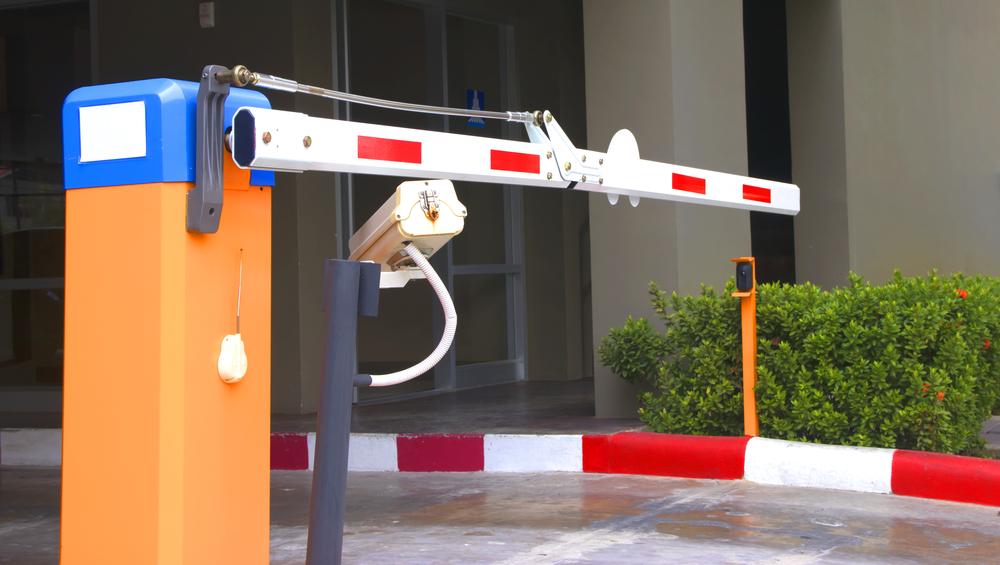
This is where a gate barrier system Dubai solution can make a practical difference. Modern vehicle barriers can be combined with RFID, access cards, remote controls, ANPR cameras, CCTV, and other access technologies to create a more organized approach to vehicle entry and exit.
A gate barrier does more than simply raise and lower a boom arm.
It creates a controlled point between the outside environment and the property. Authorized vehicles can be allowed through while other vehicles remain stopped until their access is verified.
This is particularly useful in places where vehicle movement needs to be monitored throughout the day. Residential communities may use barriers to control residents and visitors, while offices can restrict parking areas to employees and authorized guests.
Warehouses and industrial facilities can also benefit from controlled vehicle entry, especially when large numbers of vehicles arrive and leave during working hours.
The basic process is relatively simple.
A vehicle approaches the entrance and the system checks the chosen access credential. Depending on the installation, this could be an RFID tag, access card, remote control, keypad, ANPR camera, or another identification method.
If the vehicle is authorized, the barrier opens. Sensors can help detect the vehicle and support safe operation before the arm closes again.
Modern systems can also be connected to other security technologies, creating a more complete vehicle access solution rather than operating as an isolated barrier.
For businesses or communities with regular users, RFID can be a convenient option.
Authorized vehicles can be assigned RFID cards or long-range tags. When the appropriate credential is detected, the barrier can open automatically without requiring the driver to manually operate it.
This can reduce unnecessary stopping at entrances and make traffic movement smoother.
Long-range RFID systems are particularly useful where vehicles need to pass through controlled entrances efficiently. Some systems are designed to recognize vehicle tags from a distance, allowing a more convenient hands-free experience.
Automatic Number Plate Recognition, commonly called ANPR or LPR, provides another approach to vehicle identification.
Instead of relying on a physical card, the system uses a camera to recognize a vehicle's registration plate. This can be useful for properties that want automated entry for registered vehicles while maintaining a record of vehicle movements.
ANPR can be especially valuable for parking facilities, commercial properties, residential developments, and locations with frequent vehicle traffic.
When combined with CCTV and access control, it can provide security teams with both identification information and visual records of activity.
A barrier controls the entrance, but CCTV can show what is actually happening around it.
Integrating cameras with a barrier system allows businesses to monitor vehicles entering and leaving the property. If an unusual event occurs, security personnel can review the relevant footage.
This becomes even more useful when access events and video records can be reviewed together.
For example, a manager investigating a particular vehicle entry can compare the access record with the corresponding camera footage rather than relying on a manual security log.
This combination creates a stronger layer of accountability around vehicle access.
One of the biggest mistakes businesses can make is choosing a barrier based only on price or appearance.
Traffic volume, entrance width, vehicle type, operating frequency, available space, security requirements, and existing infrastructure all influence the right choice.
A small private parking area may need a straightforward automatic boom barrier, while a busy commercial or industrial facility may require a heavy-duty system designed for frequent operation.
High-traffic locations can also benefit from faster operating systems when reducing queues is a priority.
Security should never come at the expense of vehicle or pedestrian safety.
A properly designed barrier installation should consider sensors, vehicle detection, emergency operation, and safe opening and closing behavior.
The physical layout around the barrier also matters. Drivers need enough space to approach and leave safely, while pedestrians should not be placed unnecessarily close to moving equipment.
Professional installation and testing help ensure that the system operates as intended in real-world conditions.
Installing a barrier is not simply a matter of fixing the equipment beside an entrance.
The installer needs to consider the site's traffic pattern, power supply, access-control equipment, sensor positioning, network connectivity, and integration requirements.
After installation, the system should be tested to ensure the barrier, access devices, safety sensors, and connected technologies communicate properly.
A well-planned installation can also make future upgrades easier.
For example, a business may initially use RFID access but later decide to add ANPR or integrate additional CCTV cameras. Designing the infrastructure with expansion in mind can reduce unnecessary modification costs.
Yes. Security is only one part of the benefit.
A properly configured barrier can help organize vehicle movement by controlling when and how vehicles enter a property. This can reduce unauthorized parking and make busy entrances easier to manage.
For commercial buildings and parking facilities, automated vehicle access can also reduce the workload on security personnel.
Instead of manually checking every regular vehicle, security staff can focus their attention on visitors, unusual situations, and other tasks that require human judgment.
Businesses should consider more than the initial equipment cost when selecting a barrier system.
Reliability, maintenance requirements, availability of replacement parts, integration options, scalability, and technical support can all affect the long-term value of the installation.
A low-cost system that frequently requires repairs may ultimately cost more than a properly selected and maintained solution.
The better approach is to evaluate the entire system based on the property's actual requirements.
Vehicle access is an important part of modern property security. As commercial buildings, residential communities, warehouses, parking facilities, and other developments become busier, manual vehicle control can become increasingly difficult.

This post has been authored and published by one of our premium contributors, who are experts in their fields. They bring high-quality, well-researched content that adds significant value to our platform.









Trending Buzz is your trusted source for trending news, viral stories, entertainment, technology, lifestyle, and informative content. Discover what's buzzing around the world every day.