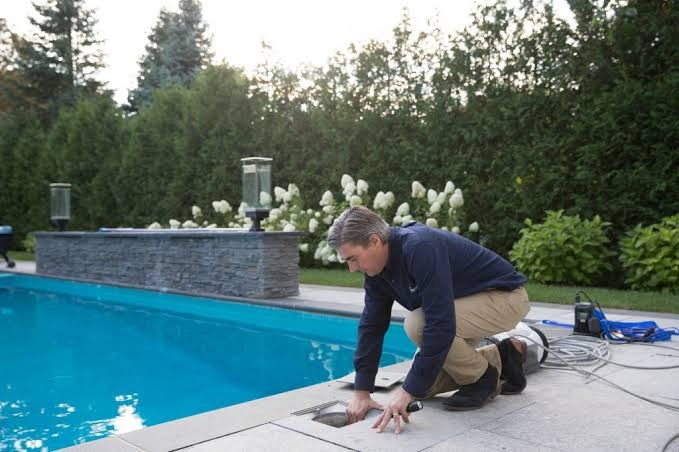
A swimming pool can be one of the most enjoyable features of a Florida home. It creates a place for family gatherings, exercise, relaxation, and outdoor entertainment. But a pool is also a complex system that includes structural, electrical, plumbing, safety, and mechanical components.
Because many pool problems are not immediately visible, homeowners and buyers should look beyond the water and surrounding deck. A professional pool inspection can provide valuable information about the condition, safety, and operation of a residential swimming pool.
In 2026, making pool safety and preventive maintenance a priority can help homeowners protect both their property and the people who use it.
A pool inspection is a professional evaluation of accessible pool components and safety features. The inspection can examine the pool vessel, surrounding deck, barriers, gates, equipment, electrical components, plumbing, pumps, filters, and other systems.
The exact scope can vary depending on the type of property and inspection selected. A thorough evaluation is intended to identify visible deficiencies and operational concerns that may require attention.
For buyers, this can be particularly valuable because a standard home inspection may not provide the same level of detail about every pool-related component.
A swimming pool involves more than clean water and attractive landscaping. It contains equipment that must work together safely and efficiently.
A pool inspection can help identify issues such as damaged surfaces, inadequate barriers, electrical concerns, leaking equipment, malfunctioning pumps, or problems with circulation and filtration.
Discovering these issues early gives homeowners an opportunity to address them before they become more expensive or create safety concerns.
For buyers, an inspection can also provide important information before purchasing a property with an existing pool.
A professional inspection may cover several major areas of the pool system.
The pool vessel, coping, deck, and surrounding surfaces can be evaluated for visible signs of damage, deterioration, or other concerns.
Cracks, damaged surfaces, settlement, or drainage issues may deserve additional attention depending on their location and severity.
Pool safety begins with controlling access to the swimming area. Fences, gates, barriers, and related safety features can be reviewed for visible deficiencies.
A gate that does not close or latch properly, for example, may create an unnecessary safety risk.
Swimming pools contain electrical equipment that requires careful evaluation. Accessible components such as lights, subpanels, junction boxes, GFCI protection, bonding, and related equipment may be reviewed as part of the inspection.
Electrical concerns around swimming pools should always be taken seriously and evaluated by appropriately qualified professionals when repairs are needed.
The circulation system keeps pool water moving through the filtration and treatment equipment. Inspectors may evaluate pumps, filters, piping, skimmers, timers, and other accessible components.
Leaks, unusual operation, inadequate circulation, or equipment deterioration can affect both performance and maintenance costs.
If the property includes a pool heater or attached spa, those systems may also be evaluated within the scope of the inspection.
Operational concerns can be documented so the homeowner understands which components may need further attention.
Some pool problems are easy to overlook until they become serious.
Common concerns can include:
Not every issue requires an immediate major repair, but identifying problems early allows homeowners to prioritize maintenance.
A property with a swimming pool represents a significant investment. Buyers should understand the condition of the pool and its equipment before finalizing the purchase.
A professional inspection can uncover concerns that may not be obvious during a casual viewing.
Sellers can also benefit from an inspection before listing their property. Identifying pool-related problems early may allow sellers to make repairs before negotiations begin.
If a pool has recently undergone substantial work, an evaluation can help homeowners understand the condition of accessible components and identify anything that may require follow-up.
Homeowners do not have to wait until they notice a problem. Periodic professional evaluations can help identify developing concerns and support a proactive maintenance strategy.
Not every property requires the same level of evaluation. A basic pool inspection may focus on the major structural, safety, electrical, and operational components.
Homeowners who want a more detailed assessment may consider an advanced inspection when available. The appropriate inspection level can depend on the age of the pool, equipment, property history, and the homeowner's specific concerns.
Discussing the inspection scope beforehand helps ensure the evaluation matches the needs of the property.
Professional inspections are only one part of responsible pool ownership. Homeowners should also maintain appropriate water chemistry, keep filtration equipment clean, monitor pumps and heaters, and address visible leaks or equipment problems promptly.
Safety barriers should be checked regularly, especially after landscaping projects, storms, repairs, or changes to the pool area.
Keeping records of repairs and equipment replacements can also make future maintenance and real estate transactions easier.
A sparkling pool can make a property look well maintained, but appearance alone does not reveal the condition of its equipment or safety features.
A pool inspection takes a closer look at the components that keep the pool functional and safe. For homeowners and buyers, that information can be extremely valuable when making maintenance, repair, or purchasing decisions.
The goal is not simply to find problems. It is to understand the condition of the pool and make informed decisions about its future.
Florida's warm climate makes swimming pools a popular feature of residential properties, but regular attention is essential to keeping them safe and functional.
Whether you are buying a home, preparing to sell, or simply maintaining your current property, a professional pool inspection can help uncover concerns that may otherwise remain unnoticed.
In 2026, homeowners can benefit from taking a proactive approach to pool maintenance. Understanding the condition of the pool structure, safety barriers, electrical components, pumps, plumbing, and equipment can help protect your investment while creating a safer environment for everyone who enjoys the pool.

This post has been authored and published by one of our premium contributors, who are experts in their fields. They bring high-quality, well-researched content that adds significant value to our platform.








Trending Buzz is your trusted source for trending news, viral stories, entertainment, technology, lifestyle, and informative content. Discover what's buzzing around the world every day.
